


Features of Model Train Buildings
- Calum Faeorin-Cruich

- Nov 17
- 3 min read
Model train layouts come alive with the right structures. Buildings, stations, and other constructions add depth and realism. They create a sense of place and time. I focus on the key features that make model train structures stand out. This helps me build layouts that look authentic and engaging.
Importance of Scale and Proportion in Model Train Structures
Scale is the foundation of any model train structure. It ensures everything fits together. Common scales include HO, N, and O. Each scale has specific measurements. Proportion keeps buildings realistic. A station should not be too large compared to a platform. Windows, doors, and roofs must match the scale.
I always check the scale before buying or building. This avoids mismatched layouts. Using consistent scale improves the overall look. It also helps when mixing different kits or scratch-building.
HO scale: 1:87, popular and versatile
N scale: 1:160, smaller and space-saving
O scale: 1:48, larger and detailed
Proportion affects more than size. It influences the style and era. Victorian buildings have different shapes than modern ones. I pay attention to these details to keep the scene believable.

Model train station showing correct scale and proportion
Materials and Construction Techniques for Model Train Structures
Materials impact the look and durability of model train structures. Common materials include plastic, wood, cardstock, and resin. Each has pros and cons.
Plastic kits: Easy to assemble, detailed, and durable. Good for beginners.
Wood kits: Offer a natural look and can be customised. Require more skill.
Cardstock: Lightweight and affordable. Ideal for quick builds or custom designs.
Resin: High detail but fragile and expensive.
I choose materials based on the project and skill level. For example, plastic kits work well for complex buildings. Cardstock is great for adding small details or custom shapes.
Construction techniques vary. Some kits snap together. Others need glue and paint. I use fine brushes and airbrushes for painting. Weathering techniques add realism. Dry brushing, washes, and chalks simulate dirt and wear.
Building from scratch requires measuring, cutting, and assembling parts carefully. I use templates and rulers to keep everything straight. Patience is key.

Hands assembling a plastic model train building kit
Design Elements That Enhance Realism
Design elements bring model train structures to life. Details like windows, doors, roofs, and signage matter. I focus on these to create believable scenes.
Windows and doors: Use clear plastic for glass. Add frames and mullions.
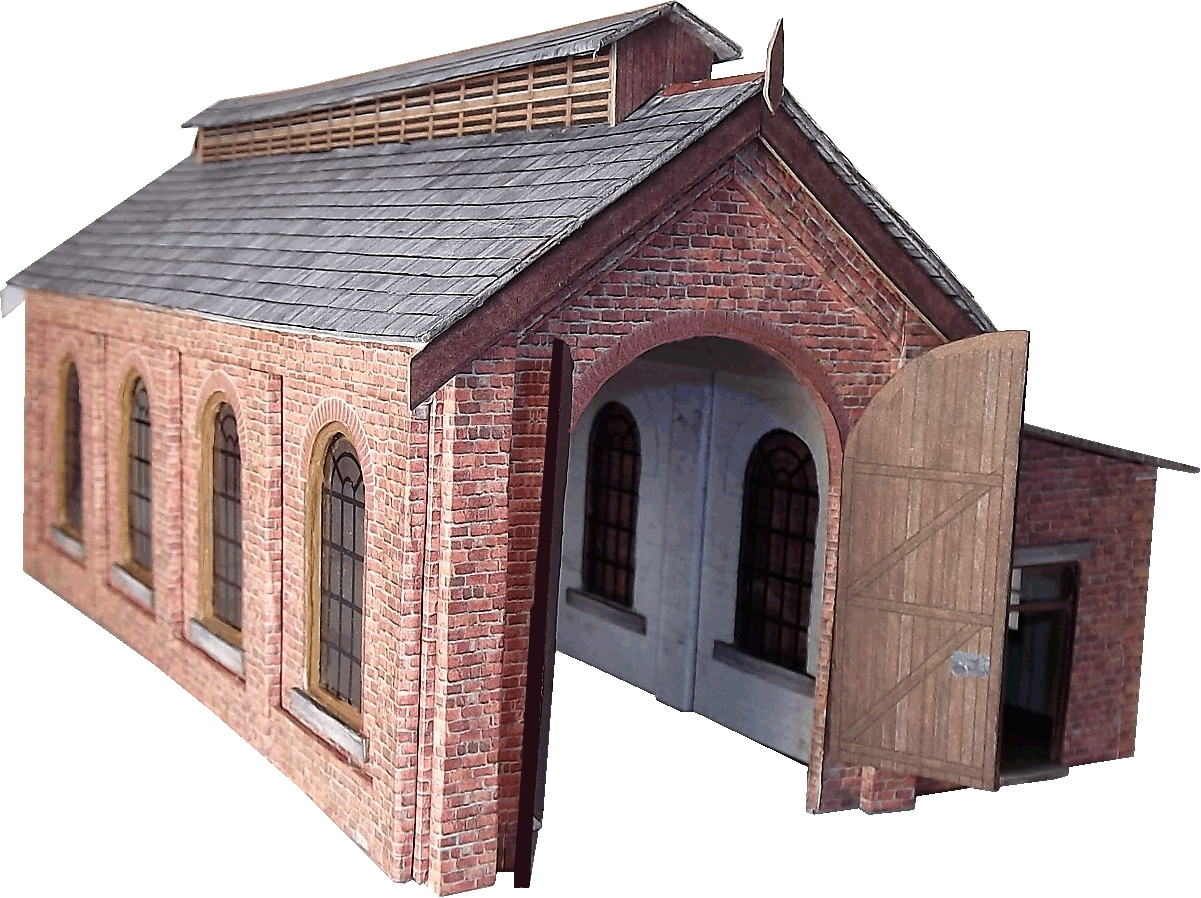
Roofs: Shingles, tiles, or metal sheets add texture. Vary roof shapes for interest.
Signage: Station names, shop signs, and advertisements add context.
Lighting: Interior and exterior lights create atmosphere. LED strips or bulbs work well.
Weathering: Simulate age with paint and powders. Rust, dirt, and fading add character.
I often add small details like chimneys, gutters, and vents. These make buildings look used and lived-in. Using textured sheets for walls or roofs adds depth. I find that layering details gradually improves realism.
Integrating Model Train Structures into Layouts
Structures should fit the layout theme and geography. Urban, rural, industrial, or historical settings require different buildings. I plan the layout first, then choose structures that match.
Placement is important. Stations go near tracks. Factories and warehouses suit industrial zones. Houses and shops fill residential areas. Roads, sidewalks, and fences connect buildings.
I use landscaping to blend structures into the scene. Grass, trees, and gravel soften edges. Water features or hills add variety. I also consider sightlines. Buildings should be visible but not block key views.
Using model train buildings from reliable sources helps. They offer kits and textures that fit many themes. This saves time and ensures quality.
Tips for Customising and Personalising Model Train Structures
Customisation makes layouts unique. I modify kits or build parts from scratch. Here are some tips:
Mix and match parts: Combine windows, doors, and roofs from different kits.
Add details: Use plastic strips, wire, or paper for extra features.
Paint creatively: Try different colour schemes or weathering styles.
Use decals: Add signs, posters, or graffiti for realism.
Lighting effects: Install LEDs for working lamps or neon signs.
I keep a small workshop with tools like hobby knives, tweezers, and paintbrushes. This makes customising easier. Experimenting with materials and techniques leads to better results.
Final Thoughts on Model Train Structures
Model train structures are more than just buildings. They set the scene and tell a story. Paying attention to scale, materials, design, and placement improves any layout. Customising adds personality and detail.
I recommend exploring different kits and techniques. Use resources like 3dk for affordable and detailed options. Building and enhancing structures is a rewarding part of the hobby. It brings layouts to life and keeps the passion alive.
Happy modelling!


Comments