


Perfecting Your Model Railway Layout
- Calum Faeorin-Cruich

- Nov 10, 2025
- 3 min read
Building a model railway layout is a rewarding challenge. It takes planning, patience, and attention to detail. I focus on practical steps to improve my layout. This guide shares clear railway layout tips to help you create a realistic and enjoyable setup.
Planning Your Railway Layout - Railway Layout Tips
Start with a clear plan. Sketch your layout on paper or use software. Decide the scale and space available. Think about the theme and era you want to represent. Will it be rural, urban, or industrial?
Plan the track routes carefully. Include main lines, sidings, and stations. Avoid sharp curves and steep gradients. These can cause derailments and slow trains. Use smooth transitions and realistic track spacing.
Consider the electrical wiring early. Plan for power feeds and control points. This saves time and frustration later. Label wires clearly to avoid confusion.
Actionable tips:
Use graph paper to scale your design.
Mark locations for buildings and scenery.
Plan access points for maintenance.
Include future expansion possibilities.

Track Laying and Base Construction - Railway Layout Tips
A solid base is essential. Use plywood or MDF for stability. Ensure the surface is flat and level. This prevents track warping and uneven running.
Lay track carefully. Use track pins or adhesive depending on your base. Check alignment frequently with a straight edge. Avoid gaps between track sections.
Ballasting the track adds realism. Spread fine gravel between sleepers and glue it down. This also helps hold the track in place.
Practical advice:
Test run trains after laying each section.
Use a track gauge tool to maintain correct spacing.
Sand rail joints smooth for better electrical contact.
Paint the baseboard with earth tones before adding scenery.

Adding Realistic Scenery and Details
Scenery brings your layout to life. Use textured sheets and building kits for quick results. These add depth and realism without complex modelling.
Start with ground cover. Use static grass, turf, and dirt textures. Layer different colours and textures for a natural look. Add trees, bushes, and rocks in clusters.
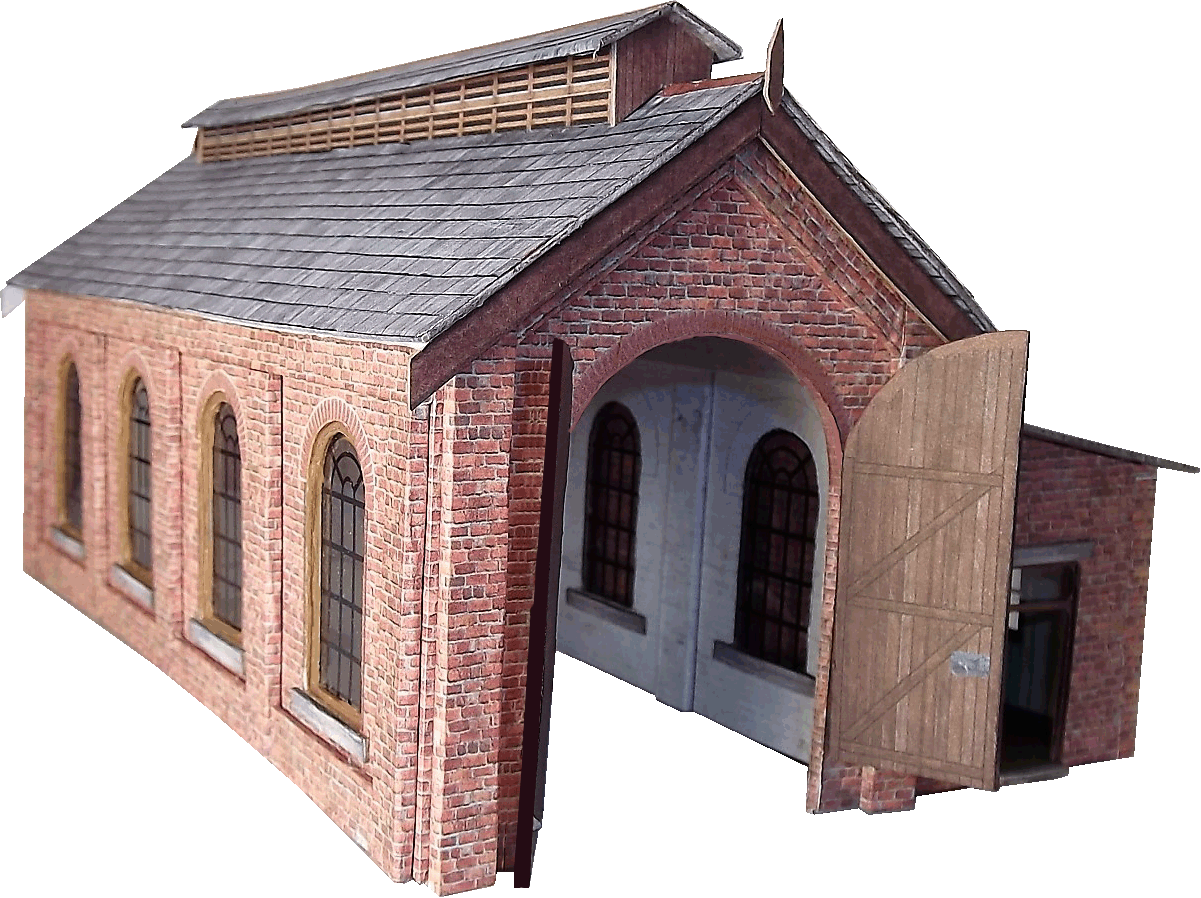
Buildings should match your theme. Use kits that fit your era and location. Paint and weather them to avoid a toy-like appearance.
Details matter. Add figures, vehicles, and signs. Small touches like telephone poles and fences enhance realism.
Tips for success:
Use matte paints to reduce shine.
Blend edges of scenery materials for smooth transitions.
Avoid overcrowding the layout with too many details.
Use reference photos for accurate modelling.
Wiring and Electrical Setup
Good wiring is the backbone of a reliable layout. Use quality wire and connectors. Plan for separate power districts if your layout is large.
Test each section as you wire it. Use a multimeter to check continuity. Label wires and keep them organised with cable ties.
Consider digital control systems for more flexibility. DCC allows independent train control on the same track.
Key points:
Use colour-coded wires for easy identification.
Keep wiring neat and secure under the baseboard.
Install circuit breakers for safety.
Regularly inspect connections for corrosion or damage.
Maintenance and Upgrading Your Layout
Regular maintenance keeps your layout running smoothly. Clean tracks and wheels often to prevent poor electrical contact. Check for loose connections and repair promptly.
Upgrade gradually. Add new scenery, buildings, or track sections over time. Experiment with lighting and sound effects for added realism.
Keep learning. Join forums and groups to share tips and get advice. Use resources like model railway layout guides to improve your skills.
Maintenance checklist:
Clean rails with a track cleaning block or alcohol.
Lubricate moving parts on locomotives.
Inspect and replace worn track sections.
Update scenery to reflect seasonal changes or new ideas.
Perfecting your layout is a continuous process. Each improvement makes your railway more enjoyable and realistic. Stay patient and keep building.




Comments